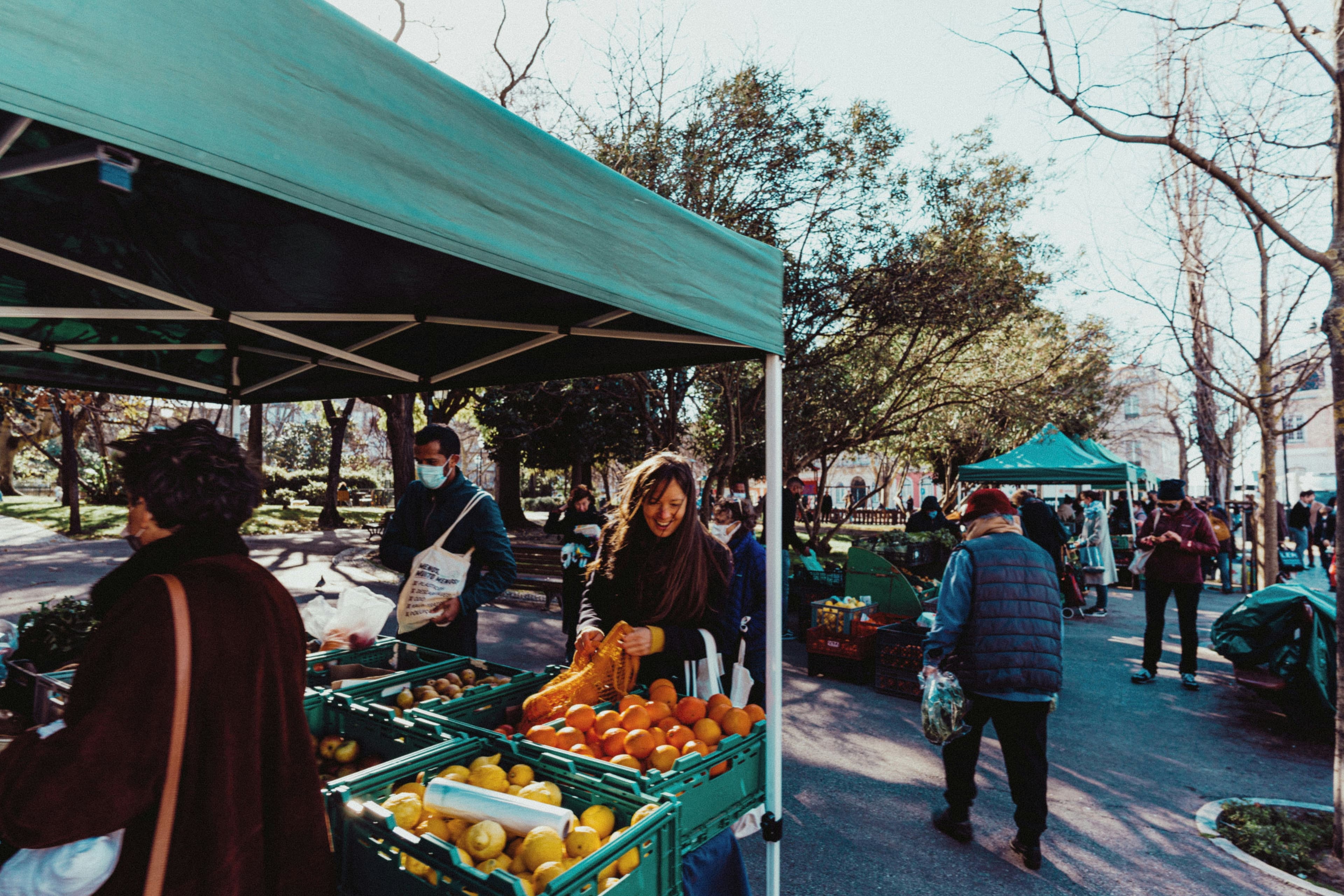
If you’re looking to sell at a farmers market to make some money or kickstart your business.
You’re in the right place. In today's article, we are going to guide you on how to pick the right markets, products to sell, tips, and more.
So without further ado, let’s get started.
How Do You Choose the Right Farmers' Market?
There are usually two hurdles you need to get by as a new Farmers Market Seller. The first is finding markets to sell your products, and the second is booking your spot.
The more popular and bigger the market, the harder it will be to get in initially. We recommend you look for smaller markets that fit you’re need.
These don’t have to be farmers' markets, you can find local pop-up markets nearby using Marketlly.
Our tips for getting accepted to farmers' markets are applying early and communicating with the event organizer.
It's important that you apply early because if they have two or more vendors of the same category, they're less likely to accept a 3rd. Not sure what fees to expect? See our breakdown of how much to pay at a vendor event before you commit.
If you're trying to figure out what to sell, you can check out our Farmers Market Seller Ideas post.
You can find local markets and apply to them on Marketlly without digging through Facebook groups.
How Should You Price Your Products for Profit?
Pricing your product shouldn’t be rocket science but you also need to run your vendor business as an actual business and not a hobby or side project.
An easy formula is cost of materials + expenses. Once you know how much it takes to create your product, you can price it accordingly.
Some markets will bring in different crowds, so try to get ones where your ICP (ideal customer profile) will be.
How to Set Up Your Booth
Your booth is your storefront, so make it easy to walk up to and easy to buy from. Put your best sellers at eye level, where people can reach them.
Use height with risers and stands so the table does not look flat. Stand in front of your table instead of behind it, and accept cards because plenty of shoppers carry no cash.
A clean, branded setup with a readable sign does more for sales than extra inventory.
Why You Need a Social Media Presence
A social media account turns one-time shoppers into repeat customers. Post where you will be each week, show your products, and share short behind the scenes clips of how you make things.
Instagram and Facebook work well for market vendors because that is where local shoppers already follow events.
Ask customers to follow you at the booth, and remind them when and where they can find you next.
How Do You Test Demand and Get Customer Feedback?
Markets are a cheap way to test what people want to buy. Bring a few new products in small batches and watch what sells out first.
Ask shoppers what they think and listen for the same questions coming up again, since those points to your next product or a pricing problem.
Track which items move and which sit, so you stop bringing things that do not sell.
Use Your Market Experience to Grow the Business
Use what you learn at the market to grow the rest of your business.
The products that sell best in person often work well online, at craft fairs, or in local shops. If you're thinking about branching out, our guide on things to sell at craft markets breaks down what moves fastest. Once you have one market dialed in, add a second location to grow your reach.
Keep simple records of sales and expenses so you can see which markets and products are worth your time.
Learn From Other Vendors
The fastest way to improve is to learn from vendors who are already doing well. Walk the market and notice how the busy booths display products, greet people, and handle a line.
Talk to other vendors during slow hours, since most are happy to share what works. A few small changes copied from a strong booth can lift your sales the next weekend.
What Legal Requirements Do You Need to Know?
Before you sell, sort out the permits and licenses your area requires.
Most vendors need a business license and a sales tax permit, and food vendors usually need health department approval or a cottage food permit. Many markets also ask for general liability insurance.
Rules change by state and county, so check with your local Small Business Development Center for free guidance before your first market.
Pick one market, price your products to make money, and treat every weekend as a chance to get better.
When you are ready to find markets and apply in one place, create a free vendor profile on Marketlly and start applying today.