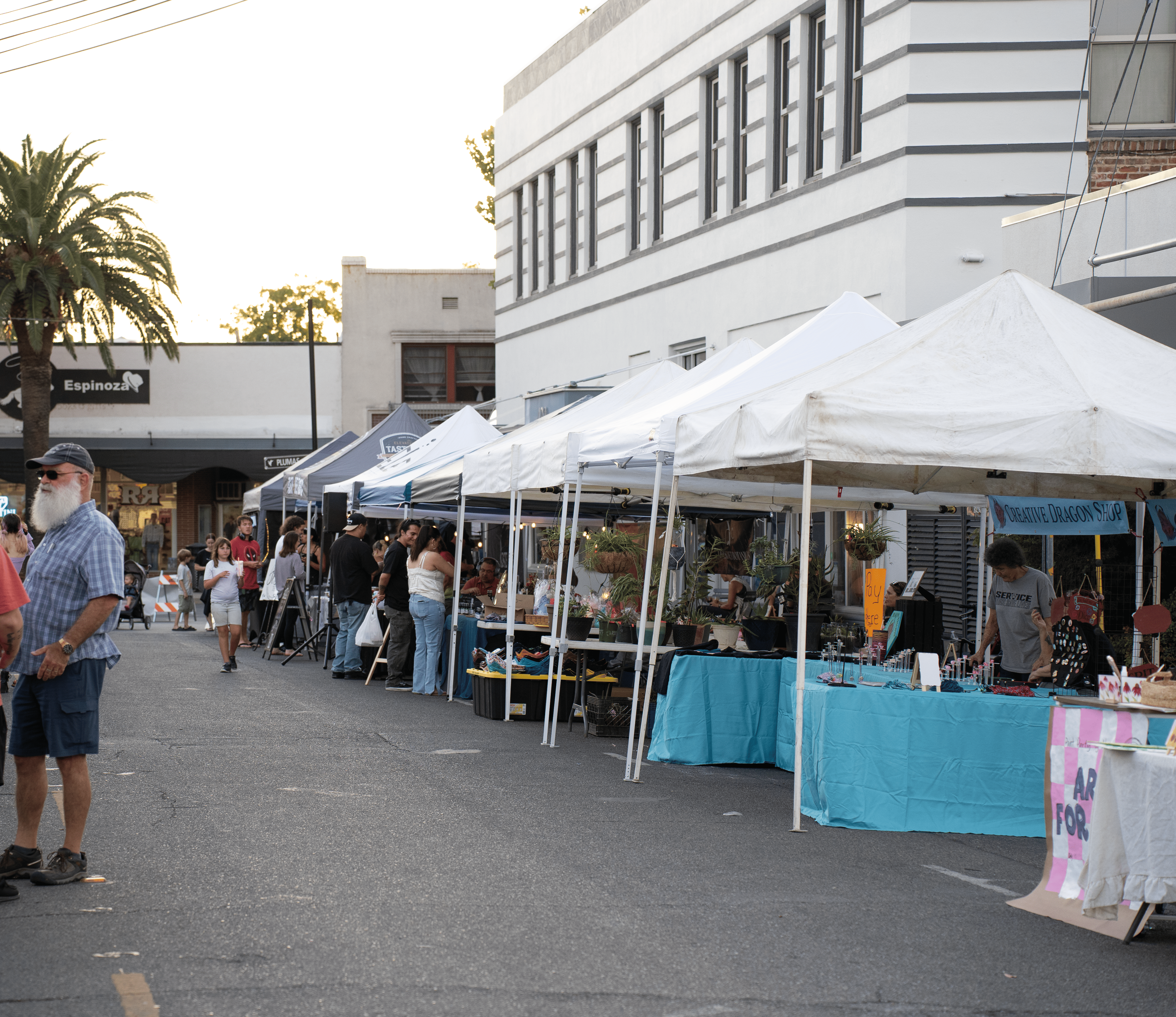
Organizing a community event takes a lot of planning, time, and effort. In this guide, we break down the process into 7 easy-to-follow steps. That makes everything more manageable and less overwhelming.
What is a Community Event?
A community event is a public gathering designed to bring people together around a shared activity, cause, celebration, or local interest.
It can be as small as a neighborhood block party or as large as a city festival with dozens of vendors and thousands of attendees.
There are different types of community events, including block parties, festivals, farmers’ markets, networking mixers, fundraisers, holiday celebrations, and local fairs.
While the theme may vary, the goal is usually the same: create a space where people can connect, participate, and support their local community.
7 Steps to Organizing a Community Event
Organizing a successful community event takes a lot of planning and coordination.
From choosing a theme and finding the right venue to getting permits, managing vendors, and preparing for event day, there are a lot of moving parts to keep track of.
To make the process easier, we’ve broken it down into 7 easy steps that will walk you through everything you need to organize a successful community event.
1. Choose the theme of your community event
Before you start applying for permits or creating vendor registration forms, you need to decide on a theme for your community event.
Your theme sets the tone for the event, helps vendors and attendees know what to expect, and makes marketing much easier.
It can be seasonal, like a fall harvest or holiday market, but the possibilities are endless. If you need more inspiration, check out our community event ideas post.
2. Find a venue
Pick a venue that can handle the expected attendance and fits your theme.
Parks work for large outdoor events, parking lots work for medium ones, and community centers work when weather is a concern. Check capacity, parking, restroom access, and power hookups before you commit.
3. Get the necessary permits
Most cities require a permit for public events. We recommend you call your local city departments to ask what applies. You'll usually need a special event permit. Depending on what you're serving, you may also need food service or alcohol permits and proof of general liability insurance.
4. Create an event registration form
You need a simple way for vendors to apply for your event. Your vendor registration form should collect important details like contact information, business type, products or services offered, booth requirements, and payment.
With our community event software, you can create multiple registration forms for the same event. This means food vendors, craft vendors, entertainers, and other vendor types can each have their own application, requirements, and pricing.
Marketlly also gives vendors access to a vendor portal where they can check their application status and manage their information.
For event organizers, it helps reduce manual work by making it easier to manage applications, approve vendors, collect payments, and keep everything organized in one place.
5. Marketing for your community event
Start marketing your event as soon as you’ve chosen a theme, secured a venue, and received the necessary permits. The earlier you start promoting, the more time you have to attract both attendees and vendors.
We recommend you share your event across your social media channels, post it in local Facebook groups, and list it on Marketlly so people in your community can find it.
You can also reach out to local businesses, community organizations, and local media to help spread the word.
If you have the budget, consider running social media ads in the weeks leading up to the event to reach even more people.
And if you're accepting vendor applications, start promoting those early and give vendors at least four weeks to apply before the deadline.
6. Plan event-day logistics
Even with careful planning, unexpected things can happen on the day of your event. The best thing you can do is be prepared, stay flexible, and have a plan for how the day should run.
Create a run of show that outlines important times, including vendor setup, check-in, event start and end times, activities, and cleanup. Assign volunteers or staff to specific roles, such as vendor check-in, attendee support, trash duty, and the information booth.
A few days before the event, confirm setup times with your vendors, send them a booth map, and make sure signage, tables, equipment, and other event-day essentials are ready to go.
7. Clean up
Cleanup should be part of your plan before the event even starts. Set up trash and recycling stations throughout the venue and assign volunteers or staff to help with cleanup as the event winds down.
Once the event is over, remove signage, break down tables and equipment, collect trash, and make sure the venue is returned to the condition required by the property owner or city.
Afterward, follow up with your vendors, volunteers, and sponsors to thank them for being part of the event. You can also ask for feedback to help you improve your next community event.
Why Should You Throw a Community Event?
Community events bring people together. It allows community residents a chance to connect, have fun, and support local businesses and organizations.
They can also help build stronger relationships within the community and give local vendors, nonprofits, and small businesses more exposure.
For many organizers, community events can also be an important source of revenue. Vendor booth fees, sponsorships, ticket sales, and donations can help cover event costs, fund future events, or support the operating budget of the organization hosting the event.
How Much Does It Cost to Host a Community Event?
The cost of hosting a community event can vary depending on the size, location, and type of event you’re planning.
A small to medium neighborhood event may cost between $500 and $1,000. A larger community festival with rentals, permits, entertainment, and marketing can cost anywhere from a few thousand dollars or more.
The biggest expenses typically include venue rental, insurance, staff, and entertainment. Many organizers help offset these costs by charging vendor booth fees, securing sponsorships, selling tickets, or collecting donations.
What is an Example of a Community Event?
Farmers markets are the most common example. A weekly farmers market brings together local growers, food vendors, and neighbors in a recurring format that's easy to plan once and repeat.
Other examples include holiday tree lightings, Fourth of July parades, summer concert series, harvest festivals, block parties, church picnics, downtown night markets, and school fundraisers. For a bigger seasonal event, our festival planning checklist walks through prep. The format changes, but the goal is the same, which is to give people a reason to show up and connect.
If you're ready to plan yours, Marketlly's community events platform handles vendor applications, payments, and booth maps in one place. Free to start.